
Understanding House Sale Calculators: A Guide
Selling a home can be a daunting process, especially when trying to figure out the financial implications. How much will you actually make from the sale? This is where house sale calculators come in handy. These tools help estimate the net proceeds from selling your home, giving you a clearer picture of your financial outcome.
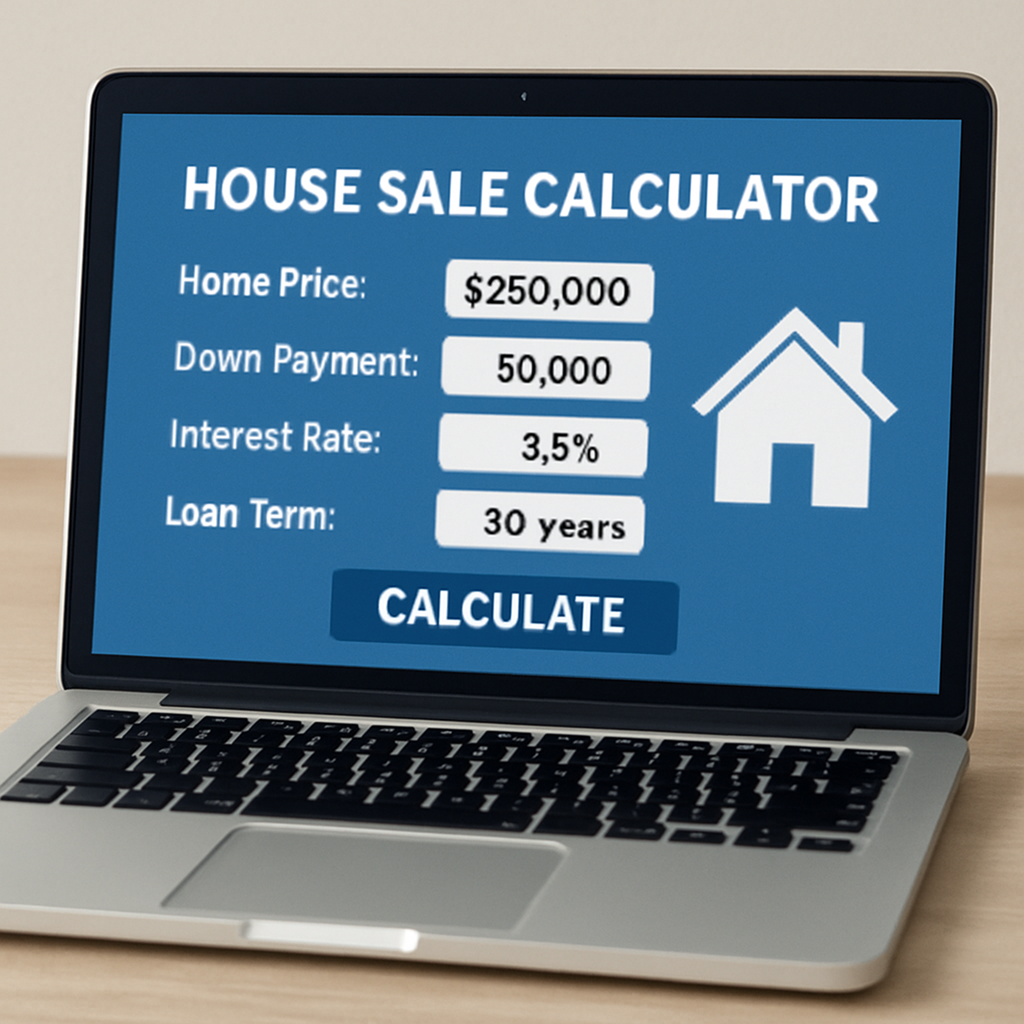
In this guide, we'll explore the ins and outs of house sale calculators, how they work, and why they're essential for anyone considering selling their home.
A house sale calculator is an online tool designed to help you estimate the proceeds from selling your home. It takes into account several factors, such as the sale price of your house, outstanding mortgage balance, and closing costs, to give you an estimate of the net amount you might receive.
These calculators are incredibly useful for homeowners who want to understand how much they could potentially make from selling their property, as well as the costs involved in the process.
How Do House Sale Calculators Work?
House sale calculators use a simple formula to estimate the net proceeds from selling a home. Here's a basic breakdown of how they work:
1. Input the Sale Price: First, enter the expected sale price of your home. This is the amount you believe your house will sell for based on market research, comparable sales, or a professional appraisal.
2. Subtract Outstanding Mortgage Balance: Next, enter your remaining mortgage balance. This is the amount you still owe on your home loan, which will need to be paid off upon the sale of your property.
3. Deduct Closing Costs: Closing costs are the fees and expenses associated with finalizing the sale of your home. These can include real estate agent commissions, title insurance, escrow fees, and other related costs. A typical range for closing costs is between 5% and 10% of the sale price.
4. Estimate Net Proceeds: After deducting the outstanding mortgage balance and closing costs from the sale price, the calculator will provide an estimate of your net proceeds—the amount you can expect to take home after the sale.
Key Factors to Consider

When using a house sale calculator, it's essential to consider the following factors that can impact your net proceeds:
Real Estate Agent Commissions
One of the most significant costs associated with selling a home is the real estate agent's commission. Typically, this fee ranges from 5% to 6% of the sale price and is split between the buyer's and seller's agents.
Closing Costs
Closing costs can vary depending on your location and the specifics of the sale. Common closing costs include title insurance, escrow fees, transfer taxes, and attorney fees. Be sure to get an accurate estimate of these costs when using a house sale calculator.
Mortgage Payoff
If you have an outstanding mortgage, the balance will need to be paid off when you sell your home. Be sure to check with your lender for the exact payoff amount to avoid any surprises.
Capital Gains Tax
If you've lived in your home for less than two years or if your profit exceeds $250,000 (or $500,000 for married couples), you may be subject to capital gains tax. Consult a tax professional to understand your potential tax liability.
Benefits of Using a House Sale Calculator
Using a house sale calculator offers several advantages for homeowners planning to sell their property:
Financial Clarity
A house sale calculator provides a clear estimate of your net proceeds, helping you understand how much money you'll have after the sale. This information is crucial for planning your next steps, whether it's purchasing a new home or investing the proceeds elsewhere.
Informed Decision-Making
By understanding the financial implications of selling your home, you can make more informed decisions about pricing, timing, and other aspects of the sale. This knowledge can help you maximize your profits and minimize potential pitfalls.
Simplified Process
House sale calculators simplify the complex process of estimating net proceeds, making it easier for homeowners to navigate the financial aspects of selling their property. With just a few inputs, you can gain valuable insights into your potential profits.
How to Choose the Right Calculator

by Alexey Demidov (https://unsplash.com/@alexeydemidov)
With so many house sale calculators available online, it's essential to choose one that's accurate and easy to use. Here are some tips for selecting the right calculator:
User-Friendly Interface
Choose a calculator with a simple, user-friendly interface that allows you to input information quickly and easily. A clear layout and straightforward instructions can make a significant difference in your experience.
Accurate and Up-to-Date Information
Ensure the calculator uses accurate and up-to-date information, such as current market trends and average closing costs in your area. This will help provide a more accurate estimate of your net proceeds.
Customizable Options
Look for a calculator that allows you to customize inputs based on your specific situation. This may include adjusting the sale price, mortgage balance, or closing costs to better reflect your unique circumstances.
Conclusion
House sale calculators are invaluable tools for homeowners looking to sell their property. They provide a clear estimate of net proceeds, helping you make informed decisions and plan for your financial future. By understanding how these calculators work and considering key factors like real estate agent commissions, closing costs, and mortgage payoff, you can confidently navigate the home-selling process and maximize your profits.
Whether you're a first-time seller or an experienced homeowner, a house sale calculator can be an essential part of your financial planning toolkit.