
Understanding "As Is" in Home Sales
Selling a home "as is" might sound appealing, especially if you're eager to move on quickly without making repairs. But what does selling a house "as is" really entail? In this article, we'll demystify the concept of "as is" in real estate, explore its implications, and weigh the pros and cons to help you make an informed decision. Understanding this concept thoroughly can prevent misunderstandings and set realistic expectations for both sellers and buyers in the real estate market. By delving into the intricacies of "as is" sales, you'll be better equipped to navigate the complexities of such transactions and make strategic decisions.
Summary
Selling a home "as is" means offering it in its current condition without agreeing to repairs, but sellers still must disclose known defects. This approach can speed up and simplify a sale and reduce upfront costs, yet it often results in lower offers and a smaller buyer pool. Success depends on realistic pricing, full disclosures, highlighting positives, effective marketing, and flexibility in negotiations, while buyers should inspect thoroughly, budget for repairs, and assess investment potential. Understanding these trade-offs helps both parties set expectations and navigate "as is" transactions wisely.
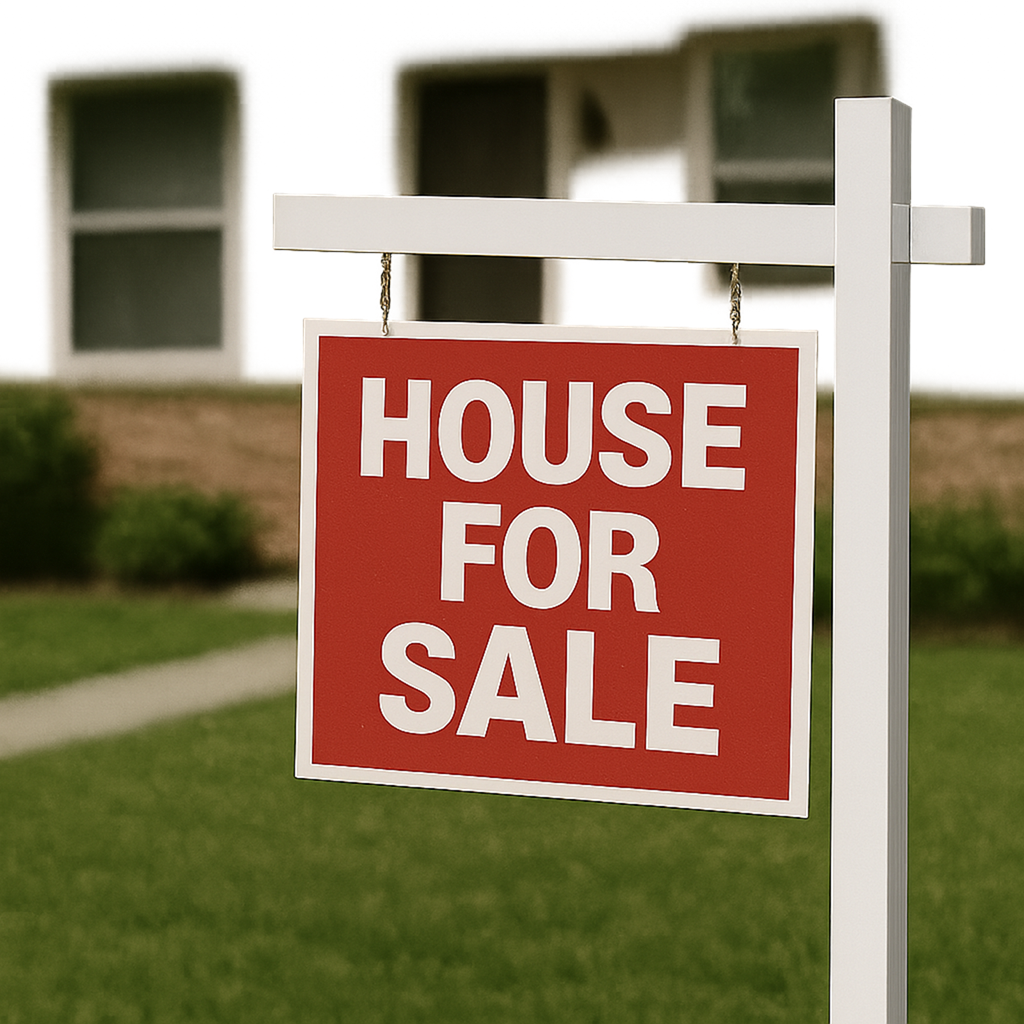
What Does "As Is" Mean in Real Estate?
When a property is sold "as is," it means the seller is offering the home in its current condition, with no guarantees or promises to fix any issues. Buyers purchase the property with the understanding that they are taking on all risks associated with its current state. Essentially, "as is" means "what you see is what you get." However, there's more to unpack in this seemingly straightforward term, especially regarding legal obligations, market perceptions, and buyer expectations.
Understanding the Legal Implications
Selling a house "as is" doesn't absolve the seller of legal responsibilities. While it relieves the seller from performing repairs, it doesn't exempt them from disclosing known defects. Real estate laws vary by state, but most require sellers to inform buyers about any significant issues that could affect the property's value or livability. Failure to disclose these issues can lead to legal disputes, so transparency is essential.
Reasons for Selling "As Is"
There are several reasons why a seller might choose to sell a property "as is." One common reason is financial constraints; the seller may not have the funds to make necessary repairs. Another reason could be time sensitivity---perhaps the seller needs to relocate quickly due to job changes or personal circumstances. Additionally, some properties might be inherited and located far from the owner's residence, making repairs impractical.
What Buyers Should Expect
Buyers considering an "as is" purchase need to be prepared for the potential challenges. They should expect to invest time and money into repairs and improvements. Conducting thorough inspections and assessments before making an offer is crucial. Buyers should also be prepared to negotiate based on the inspection results, as the seller's willingness to adjust the price might depend on the identified issues.
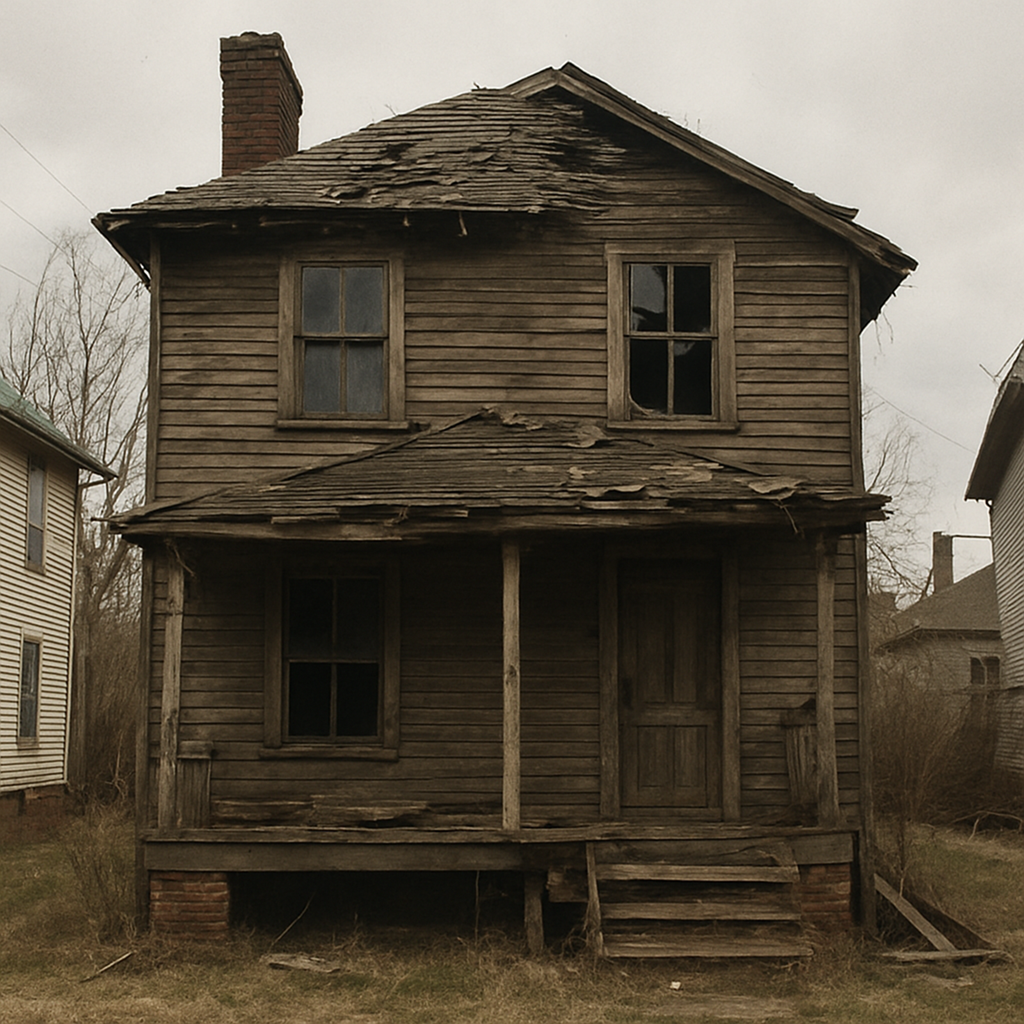
The Pros and Cons of Selling a House "As Is"
Selling a property "as is" has its advantages and drawbacks. Understanding both sides can help you decide if this is the right approach for your situation. It's important to weigh these factors carefully, considering your personal circumstances, financial goals, and the current real estate market dynamics.
Pros of Selling "As Is"
1. Speedy Sale: Selling "as is" can expedite the selling process, which is beneficial if you're relocating or need quick cash. The reduced preparation time means the property can be listed quickly, attracting buyers who are also looking for a fast transaction. This is particularly advantageous in a hot real estate market where timing is crucial.
2. Cost Savings: You won't have to invest in repairs or renovations, which can save you money upfront. This is particularly beneficial if the cost of necessary repairs is prohibitive. By avoiding these expenses, you can allocate your resources elsewhere, such as towards your next home or other financial commitments.
3. Simplicity: The process is straightforward, reducing the hassle and stress of preparing a home for sale. Without the need for extensive staging or renovation, you can focus on other aspects of the sale, such as marketing and negotiation. This simplicity can make the experience less overwhelming, especially for first-time sellers.
Cons of Selling "As Is"
1. Lower Offers: Buyers may offer less for an "as is" property, anticipating the cost of repairs and renovations. This can lead to lower overall proceeds from the sale, which might not align with your financial goals. It's essential to have realistic expectations about the property's market value in its current condition.
2. Limited Buyer Pool: The "as is" condition might deter some buyers, particularly those looking for move-in ready homes. This could result in a longer time on the market, as the pool of interested buyers is smaller. It's crucial to target the right audience---typically investors or DIY enthusiasts---when marketing the property.
3. Disclosure Obligations: Sellers must still disclose known defects, which can affect negotiations and buyer interest. Transparency is key, but it can also highlight issues that may discourage potential buyers. Being upfront about these issues is crucial to maintaining trust and avoiding legal complications.
How to Sell Your Home "As Is"
If you decide to sell your home "as is," there are steps you can take to make the process smoother and more successful. Preparing strategically can enhance the property's appeal and attract the right buyers, even without making improvements.
1. Set a Realistic Price
Pricing is crucial when selling "as is." Conduct a market analysis to determine a fair price that reflects the property's condition and the costs buyers might incur for repairs. Consider hiring a professional appraiser or working with an experienced real estate agent to get an accurate valuation. Overpricing can deter potential buyers, while underpricing might leave money on the table.
2. Make Necessary Disclosures
Honesty is the best policy. Provide potential buyers with a full disclosure of any known issues. This transparency can prevent future legal complications and build trust with buyers. Disclosures should include structural problems, plumbing or electrical issues, and any history of water damage or pest infestations. A transparent approach can also streamline negotiations, as buyers will appreciate the upfront honesty.
3. Highlight the Positives
Even if your home is being sold "as is," there are likely positive aspects to emphasize. Highlight desirable features such as location, lot size, or unique architectural elements. A good neighborhood, proximity to amenities, or a large backyard can be strong selling points. Emphasizing these positives can help offset the perceived negatives of the property's condition.
4. Market Effectively
Work with a real estate agent experienced in selling "as is" properties. They can help market your home effectively and reach potential buyers who are willing to invest in a fixer-upper. Use multiple marketing channels, including online listings, social media, and traditional advertising, to reach a broader audience. A compelling listing with high-quality photos and a detailed description can attract serious buyers.
5. Be Open to Negotiations
While you're selling "as is," be prepared for negotiations. Buyers may request concessions or credits based on their inspection findings. Flexibility can help close the deal. Consider offering incentives, such as covering closing costs or providing a home warranty, to sweeten the deal. Being open to reasonable offers and compromises can lead to a successful transaction.

by Brian Zajac (https://unsplash.com/@brianzajac)
What Buyers Should Know About "As Is" Purchases
If you're considering buying a home "as is," it's essential to approach the transaction with due diligence. Understanding the potential risks and rewards can help you make an informed decision that aligns with your investment goals.
Inspection is Key
Hire a professional inspector to thoroughly evaluate the property. Understanding the scope of necessary repairs will help you make an informed decision about proceeding with the purchase. A detailed inspection report can serve as a negotiating tool and help you plan your renovation budget. Don't hesitate to accompany the inspector to ask questions and gain insights into the property's condition.
Budget for Repairs
Factor in the cost of repairs and renovations when determining your offer. Ensure you have the financial resources to address any issues that arise after purchase. It's wise to get estimates from contractors for major repairs and include a contingency fund for unexpected expenses. A well-planned budget can prevent financial strain and ensure a successful renovation.
Consider the Investment
An "as is" property can be a lucrative investment if you have the vision and resources to renovate. Consider the potential return on investment and whether you're prepared for the work involved. Evaluate the local real estate market to determine if the property will appreciate after improvements. If you're planning to rent or resell, calculate the potential rental income or resale value to assess profitability.
Conclusion
Selling or buying a home "as is" can be a viable option for many, but it's not without its challenges. Sellers can benefit from a quick, hassle-free sale, while buyers might find an opportunity to invest in a fixer-upper. By understanding the nuances of "as is" transactions and approaching them with transparency and due diligence, both parties can achieve their real estate goals. Whether you're selling or buying, ensuring clear communication and realistic expectations will lead to a successful "as is" home sale experience. As with any major financial decision, thorough research and planning are key to a positive outcome.