
What happens to your mortgage when you sell your house
Selling your home is a significant milestone, often marking the end of one chapter and the beginning of another. If you currently have a mortgage on your property, you might be wondering what happens to it once you decide to sell. The process might seem daunting at first, but understanding the steps involved can make the transition much smoother. In this article, we'll break down what happens to your mortgage when you sell your house and answer some common questions homeowners have.
One of the most frequently asked questions is whether you can sell a house with a mortgage. The simple answer is yes, you can sell your house even if you haven't paid off your mortgage. In fact, many people sell their homes before they finish paying off their mortgage. Here's how it works:

Understanding Your Loan Payoff Amount
When you decide to sell your home, the first step is to contact your lender to determine your payoff amount. This is the total amount you owe on your mortgage, including any interest and fees up to the closing date. The payoff amount is different from your remaining principal balance, as it includes accrued interest.
Importance of Knowing Your Payoff Amount
Knowing your payoff amount is crucial because it helps you determine the minimum price at which you can sell your home to cover your mortgage. It also informs your negotiations with potential buyers, ensuring you don't accept an offer that leaves you short. Additionally, understanding this figure helps you avoid surprises at closing, where unexpected fees or interest might arise.
How to Obtain Your Payoff Amount
To obtain your payoff amount, contact your mortgage lender directly. They typically provide a payoff statement, which includes the principal balance, interest due, and any applicable fees. Requesting this statement early in the selling process can aid in your financial planning and ensure you have all necessary information for your home sale.
Factors Affecting Your Payoff Amount
Several factors can affect your payoff amount, including the remaining balance on your loan, the interest rate, and the timing of your sale. If you’ve made additional payments towards the principal, this will reduce your payoff amount. However, if you have incurred fees or penalties, these will be added to your total. Understanding these factors can help you strategize your sale and negotiations effectively.
The Role of the Sale Proceeds
Once you have a buyer for your home, the sale proceeds will be used to pay off your existing mortgage. The closing agent will coordinate with your lender to ensure the loan is paid off using the funds from the sale. If your home sells for more than what you owe, you'll receive the remaining balance after all fees and expenses are settled.
Coordination with the Closing Agent
The closing agent plays a pivotal role in ensuring your mortgage is paid off. They act as the intermediary between you and your lender, verifying all amounts due and ensuring funds from the sale are appropriately allocated. This coordination ensures the buyer receives a clear title, free of any claims or liens.
Receiving the Remaining Balance
If your home sells for more than the payoff amount, you stand to receive the remaining balance. This surplus can be used for various purposes, such as a down payment on a new home, paying off other debts, or investing. Understanding how the remaining balance is calculated and distributed can help you plan your next financial moves.
What Happens if Sale Proceeds Are Insufficient?
In some situations, the sale proceeds might not cover the total payoff amount. This scenario, often referred to as being "underwater," requires additional steps. You may need to bring extra funds to closing or negotiate with your lender for solutions like a short sale. Understanding your options in such cases is crucial for a smooth transaction.
What Happens to Old Home Loans When Selling a House?
When you sell your home, the mortgage attached to it needs to be resolved before the sale can be finalized. Here's what typically happens to your old home loan:
Paying Off Your Mortgage
The primary goal when selling a house with a mortgage is to pay off the existing loan. The closing process involves settling your mortgage balance using the proceeds from the home sale. This ensures that the buyer receives a clear title to the property.
Steps in Settling Your Mortgage
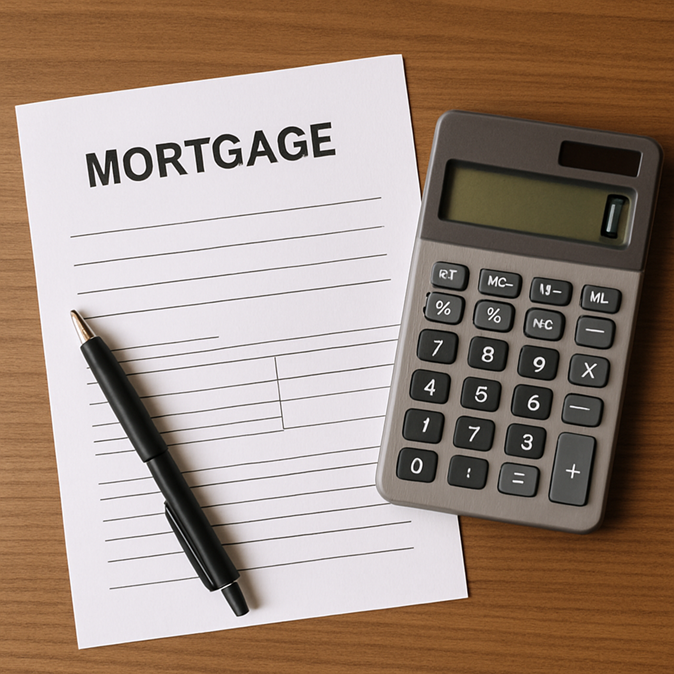
Settling your mortgage involves several steps, beginning with verifying the payoff amount and coordinating with the closing agent. The closing agent will handle the disbursement of funds, ensuring your mortgage is paid in full. This process guarantees that the property's title is transferred to the buyer without any encumbrances.
Ensuring a Clear Title
A clear title is essential for the buyer, as it confirms that no one else has legal claims to the property. Your mortgage payoff ensures that the lien held by your lender is removed. This step is crucial for the buyer's peace of mind and is a key component of the closing process.
Dealing with Potential Liens
In addition to your mortgage, other liens might exist on your property, such as tax liens or mechanic's liens. These must also be settled at closing. Understanding the full scope of liens on your property can prevent delays and complications during the sale process.
Handling Any Remaining Balance
In some cases, homeowners might owe more on their mortgage than the selling price of the house. This situation is known as being "underwater" or having "negative equity." If this happens, you'll need to cover the difference to pay off the mortgage completely. This might involve bringing additional funds to the closing table or negotiating with your lender for a short sale, which requires lender approval.
Exploring Short Sale Options
A short sale involves selling your home for less than the outstanding mortgage balance, with the lender's approval. This process can be complex and requires negotiation with the lender. Understanding the short sale process and its implications can help you decide if it's a viable option for your situation.
Bringing Additional Funds to Closing
If you're unable to secure a short sale, you might need to bring additional funds to closing. This involves paying the difference between the sale proceeds and the mortgage balance out of pocket. Planning for this possibility is crucial to ensure you can fulfill your financial obligations.
Negotiating with Your Lender
Negotiating with your lender can sometimes lead to solutions that ease the financial burden. This might include restructuring your payment plan or exploring other loss mitigation options. Proactively communicating with your lender can open up opportunities for negotiation and potentially favorable outcomes.
Can You Sell a House Before Paying It Off?
It is entirely possible to sell a house before you have paid off your mortgage. Many homeowners do this for various reasons, such as relocating for a job, upsizing or downsizing, or taking advantage of favorable market conditions. However, selling before paying off your mortgage requires careful planning and consideration.
Timing Your Sale
Timing is crucial when selling a home with a mortgage. You'll want to ensure that the sale proceeds will cover your mortgage payoff amount and any additional costs. Keep in mind that the real estate market can fluctuate, affecting your home's selling price.
Assessing Market Conditions
Before selling, evaluate the current real estate market conditions. A seller's market can provide favorable opportunities to sell at a higher price, covering your mortgage and additional costs. Conversely, a buyer's market might require strategic pricing and negotiations to achieve your financial goals.
Aligning Sale with Personal Circumstances
Consider your personal circumstances when timing your sale. Factors such as job relocation, family needs, or financial goals can influence the timing. Aligning your sale with these personal factors can ensure a smoother transition and better financial outcomes.
Preparing for Market Fluctuations
Market fluctuations can affect your home's selling price. Being prepared for these changes involves setting realistic price expectations and having a flexible approach to offers. Staying informed about market trends can help you make timely and informed decisions.
Preparing for Closing Costs
In addition to paying off your mortgage, you'll need to account for closing costs. These can include agent commissions, title fees, taxes, and other expenses related to the sale. Be sure to factor these costs into your financial planning when deciding to sell.
Understanding Different Closing Costs
Closing costs can vary depending on your location, the selling price, and other factors. Common costs include real estate agent commissions, title insurance, and recording fees. Understanding these costs in detail can help you budget effectively and avoid surprises.
Budgeting for Closing Costs
Budgeting for closing costs involves estimating these expenses early in the selling process. This ensures you have the necessary funds available at closing and can plan your finances accordingly. Consulting with your real estate agent can provide insights into expected costs.
Strategies to Minimize Closing Costs
There are strategies to minimize closing costs, such as negotiating with buyers or selecting services with competitive rates. Discussing these strategies with your real estate agent can lead to cost-saving opportunities and a more profitable sale.
When Do You Stop Paying the Mortgage When Selling a House?

by Raymond Petrik (https://unsplash.com/@raymondpetrik)
You stop paying your mortgage once the sale of your house is finalized, and the loan is fully paid off. Here's how it typically works:
Final Mortgage Payment
Your final mortgage payment will coincide with the closing date. The payoff amount provided by your lender will include all interest and fees up to that date. The closing agent will handle the payment directly to your lender from the sale proceeds.
Synchronizing Final Payments
Synchronizing your final mortgage payment with the closing date is crucial. This ensures that all accrued interest and fees are settled, preventing any lingering obligations. Working closely with your lender and closing agent can facilitate this process.
Role of the Closing Agent
The closing agent plays a vital role in coordinating the final mortgage payment. They ensure that the funds from the sale are directed to the lender, satisfying your loan. This coordination is essential for a smooth closing and the transfer of title to the buyer.
Ensuring a Smooth Transition
Ensuring a smooth transition involves confirming all payments are made and documented. Keeping detailed records of the final payment and closing documents can prevent future disputes and provide peace of mind.
Notification from Your Lender
After the mortgage is paid off, your lender will send you a notification confirming that your loan has been satisfied. This is an important document to keep for your records, as it proves that you have no outstanding obligation on the mortgage.
Importance of Loan Satisfaction Notification
The loan satisfaction notification is critical as it serves as legal proof that your mortgage is fully paid. This document ensures you have no further obligations to the lender and can be essential for future credit and financial transactions.
Keeping Records for Future Reference
Keeping records of your loan satisfaction and related documents is vital for future reference. These documents can be needed for tax purposes, credit applications, or resolving potential disputes. Organizing and storing them securely is a wise practice.
Dealing with Discrepancies
In rare cases, discrepancies might arise in the loan satisfaction process. Addressing these promptly with your lender can prevent complications. Understanding your rights and responsibilities can help you navigate any issues effectively.
What to Do with Loans When Selling a House
When selling a house with a mortgage, there are several steps you need to take to ensure a smooth transaction:
Communicate with Your Lender
Contact your lender early in the process to request a payoff statement and clarify any questions you have about your mortgage. This will help you understand what to expect and prepare for the sale.
Establishing Clear Communication
Establishing clear communication with your lender is essential for a successful sale. Early contact can clarify your obligations and provide the information needed for a seamless transaction. Open lines of communication can also facilitate negotiations if needed.
Requesting Necessary Documentation
Requesting necessary documentation from your lender, such as the payoff statement and loan documents, is a crucial step. Having these documents ensures you have accurate information and can plan your sale with confidence.
Addressing Concerns and Questions
Address any concerns or questions you have with your lender promptly. This can prevent misunderstandings and provide clarity on your obligations. Proactive communication can lead to a smoother selling process and better outcomes.
Work with a Real Estate Agent
Hiring an experienced real estate agent can be invaluable when selling your home. They can help you price your house competitively, market it effectively, and negotiate with buyers to ensure a successful sale.
Selecting the Right Agent
Selecting the right real estate agent involves considering their experience, market knowledge, and communication skills. A good agent can guide you through the selling process and provide valuable insights and strategies.
Pricing and Marketing Strategy
Your agent will help develop a pricing and marketing strategy that maximizes your home's appeal to potential buyers. This involves setting a competitive price and leveraging various marketing channels to reach a broad audience.
Navigating Negotiations
Navigating negotiations with potential buyers can be complex. Your agent can provide expert guidance, ensuring you achieve the best possible terms and conditions for your sale. Their expertise can be invaluable in closing the deal successfully.
Plan for Contingencies
Be prepared for any unexpected situations, such as a lower-than-expected appraisal or issues discovered during the home inspection. Having a contingency plan in place can help you navigate these challenges with confidence.
Anticipating Potential Challenges
Anticipating potential challenges, like appraisal discrepancies or inspection issues, is key to a successful sale. Identifying these risks early allows you to develop strategies to address them, ensuring a smoother transaction.
Developing a Contingency Plan
Developing a contingency plan involves outlining steps to take in response to various scenarios. This could include adjusting your pricing strategy or negotiating repairs. Having a plan in place ensures you're prepared for any curveballs.
Flexibility and Adaptability
Flexibility and adaptability are crucial traits when selling a home. Being open to adjusting your plans and responding to market or buyer demands can enhance your ability to close the sale effectively. Embracing change can lead to better outcomes.
Conclusion
Selling a home with a mortgage is a common scenario that many homeowners navigate successfully. By understanding the process and preparing ahead of time, you can ensure a smooth transition from your current home to your next. Remember to communicate with your lender, work with a qualified real estate agent, and plan for any contingencies that may arise. With the right approach, you can sell your house with confidence, even if you still have a mortgage.